
How to Clean High Carbon Steel Kitchen Knives (Step-by-Step Guide)
Introduction
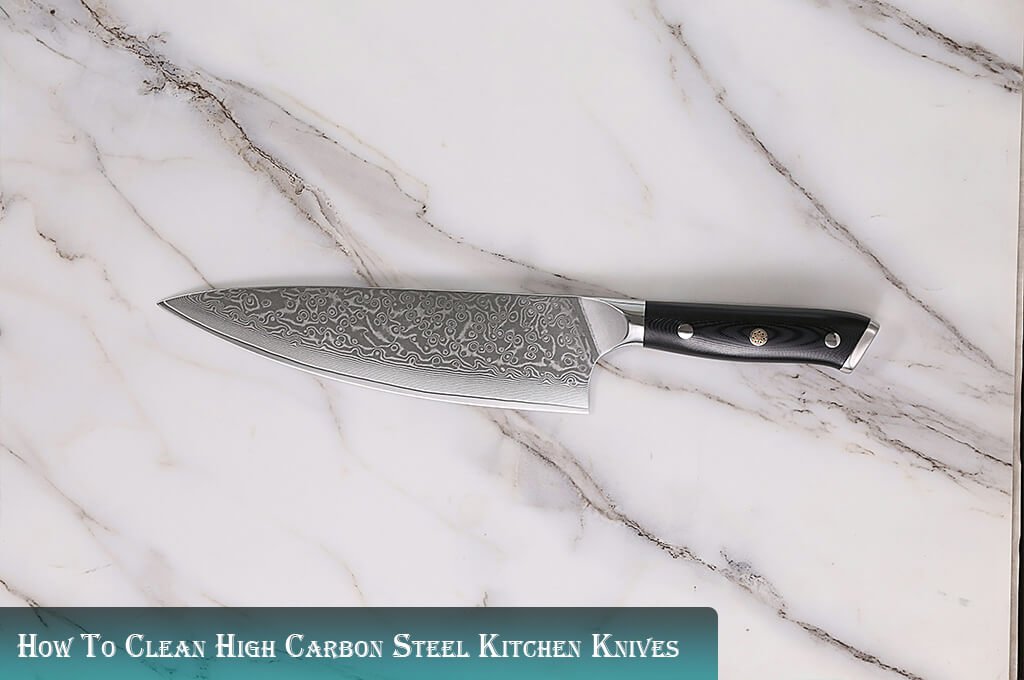
High carbon steel kitchen knives are known for their sharpness and durability, but they require proper care to prevent rust. If you are wondering how to clean high carbon steel kitchen knives correctly, you are not alone.
In this guide, you will learn simple, step-by-step methods to clean, dry, and maintain your knife properly.
What is a High Carbon Steel Knife?
To better understand how to clean something, we need to know how it is made and what it is made of. High carbon steel is a type of steel that has a higher carbon content than stainless steel. Its content ranges from 0.6% to 2%.
This high carbon content is what gives these knives their superpower. They can be sharpened to a very fine, razor-sharp edge, and that edge lasts much longer than softer stainless steel blades. However, the trade-off is that they lack the chromium found in stainless steel; as a result, it rusts easily.
Why High Carbon Steel Knives Rust Easily
High-carbon steel knives rust easily because they do not contain significant amounts of chromium. Chromium is a key element in stainless steel that resists corrosion. In addition, they are high in iron, which reacts quickly with oxygen and moisture. They are very sensitive to moisture, water, and acidic foods (such as citrus fruits or onions), which cause oxidation.
Water and carbon create a perfect environment for steel to rust. Water provides an essential ingredient for this reaction – and so does the moisture in the air. Oxygen from the air combines with the iron, and, voila, the steel begins to rust.
How to Clean High Carbon Steel Kitchen Knives (Step-by-Step)
Cleaning high-carbon steel knives requires a slight change in mindset compared to other knives. Speed and gentleness are the main keys.
Step 1: The Immediate Rinse and Wipe
Always clean carbon steel knife immediately after use. Don’t leave your knife on the cutting board until you’re finished cooking. As soon as you’re done cutting, rinse the blade under warm (not hot) running water. Use your fingers or a soft sponge to gently remove any food particles. This will prevent acidic juices like lemon, tomato, or onion from damaging the metal.
Step 2: The Gentle Wash
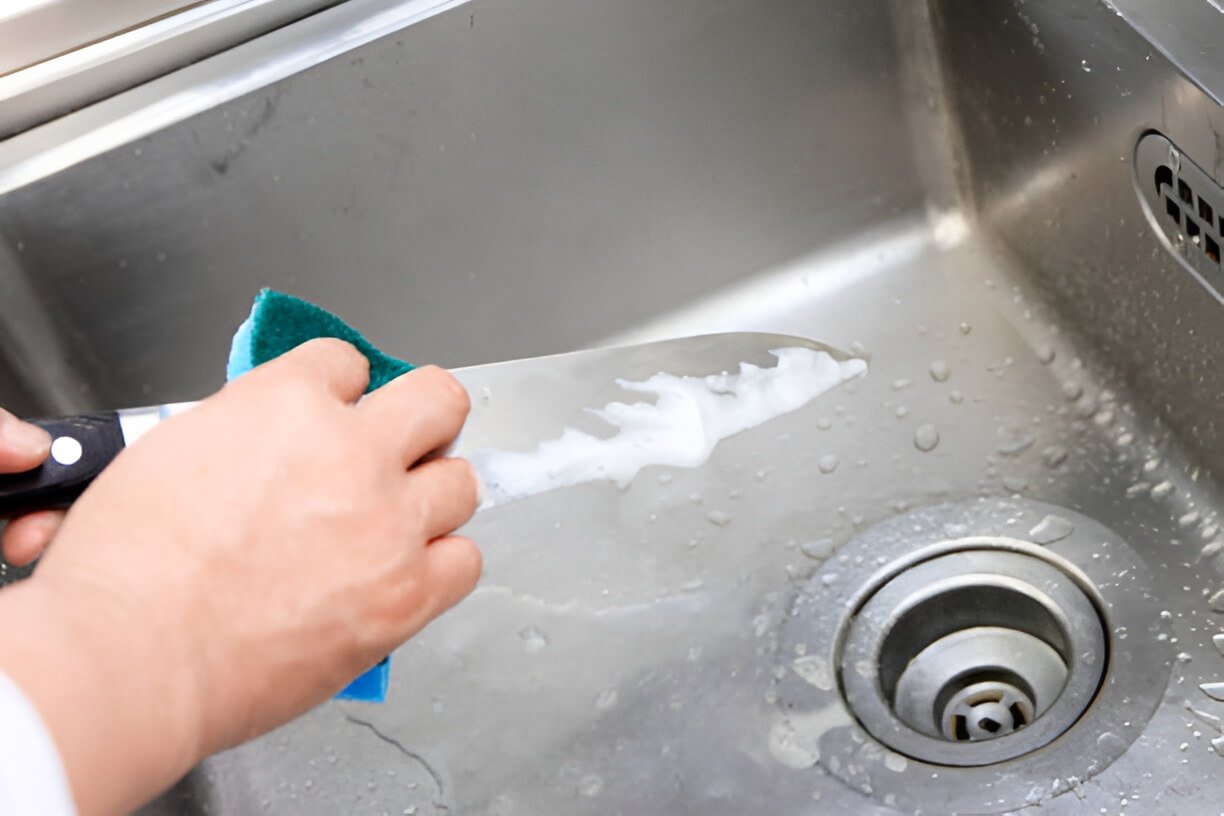
Go to the sink. Apply a drop of mild dish soap to a soft sponge or microfiber cloth. Gently clean the knife from the spine to the sharp edge.
Important rule: Never submerge a knife in a sink full of water. Not only is this a serious safety hazard, but the blade will rust in seconds if you leave it underwater. Rinse the knife quickly and keep it away from standing water.
Step 3: Thorough Drying and Oiling
This is the most important step in maintaining carbon steel. After washing, immediately dry the blade thoroughly with a clean, dry towel (preferably microfiber or soft cotton cloth). Don’t just wipe it lightly—make sure there is no moisture left on the metal.
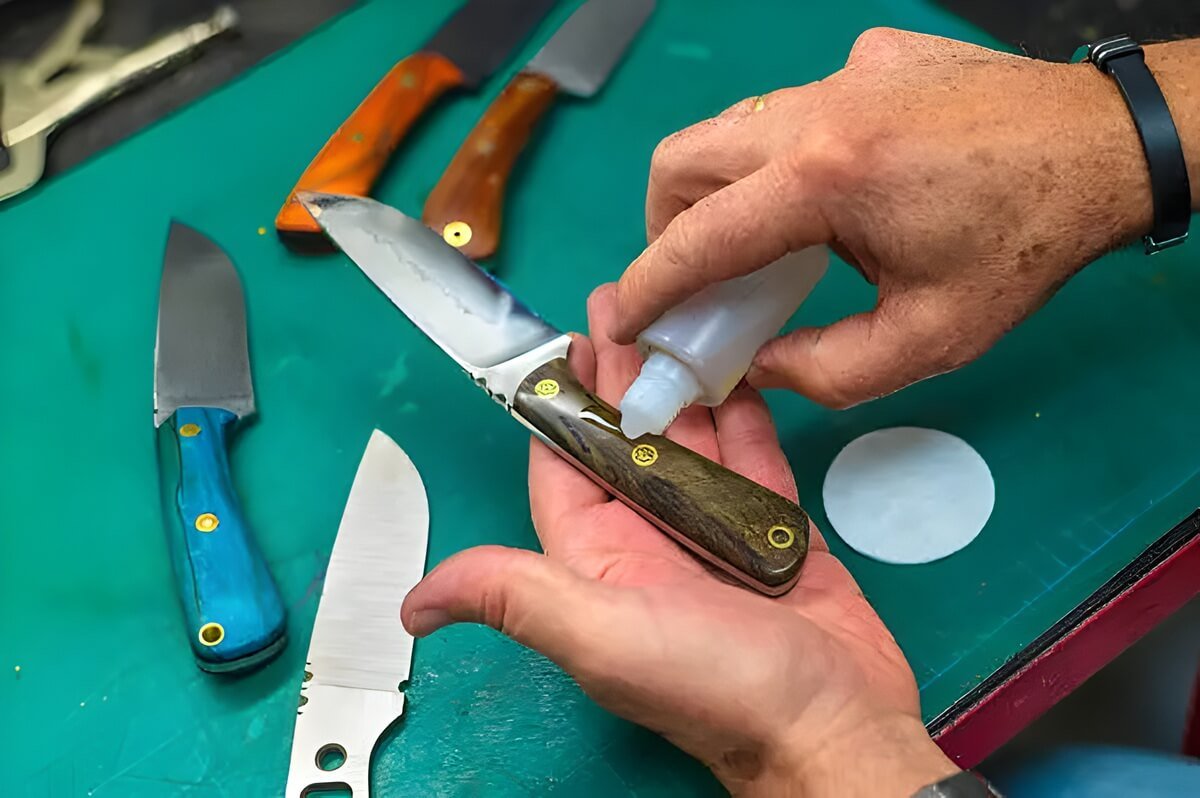
Once dry, apply a protective layer of oil. Just one or two drops of food-safe mineral oil, camellia oil, or tsubaki oil to the blade. Using a cloth, rub a very thin layer over the entire metal surface. This creates a barrier that prevents oxygen and moisture from reacting with the steel. This step helps prevent rust on kitchen knife surfaces.
Best Oil for Carbon Steel Knives
The best oil for carbon steel knives is one that effectively prevents rust and corrosion while preserving the blade’s sharpness and integrity. For protecting carbon steel knives, food-grade mineral oil is the best all-purpose, affordable option. Camellia Oil is universally considered the premium option for protecting high-end carbon-steel kitchen knives, swords, and cast-iron cookware. Mineral oil creates a moisture-proof barrier that prevents rust, while Camellia oil offers a non-toxic, plant-based alternative. Camellia is preferred due to its imparting no taste to foods, while also displacing moisture, forming an oxygen barrier, and preventing rust and pitting.
Mistakes to Avoid When Cleaning a High Carbon Steel Knife
Proper carbon steel knife care is important to keep your blade in good condition. Even if you follow the steps above, one bad habit can ruin your blade. Avoid these common pitfalls at all costs:
- Never, under any circumstances, put high-carbon steel knives in a dishwasher. Its harsh detergents, high heat, and prolonged exposure to water will dull the knife’s edge and cause severe rust overnight.
- Don’t wash your carbon knife and leave it on a drying rack. Even in a well-ventilated kitchen, microscopic moisture will cause water spots and rust on that.
- Never use steel wool, scrubbing pads, or scouring powders. These will scratch the blade, ruin its surface finish, and create an uneven surface for rust to adhere to.
- Never store a knife wet, even slightly damp. Putting a slightly damp knife into a knife block or a leather sheath is a recipe for disaster. The moisture trapped inside will cause the sheath to rust very quickly.
Pro Tips for Maintaining High Carbon Steel Kitchen Knives
- Over time, you may notice your blade turning gray, blue, or even light purple. Don’t worry—it’s patina, not rust! Patina is a stable layer of oxidation that actually protects the knife from red rust. You can create patina by cutting up sour fruit or rubbing the blade with a mixture of vinegar and mustard.
- Always use a wood or soft plastic cutting board. Glass, marble, or ceramic boards will not only dull your razor-sharp edges, but they can also cause microscopic fractures that expose new, highly reactive steel.
- Keep a designated towel. Many professional chefs keep a small, special ‘knife towel’ next to their cutting board to wipe their carbon steel blades between jobs.
You can also learn general knife cleaning rules in this guide.
Conclusion
By following these steps, you now know how to clean high carbon steel kitchen knives properly and keep them in excellent condition. Caring for a high-carbon steel knife requires a little more attention than caring for a stainless steel knife. However, the payoff for that extra 30 seconds of effort is huge. By washing, gently cleaning, drying well, and lightly oiling your knife, you can ensure that your blade stays razor sharp, rust-free, and ages beautifully. Give your high-carbon steel knife the respect it deserves, and it will give you a lifetime of effortless cutting pleasure.
FAQs
Related Posts
-
How to Clean High Carbon Steel Kitchen Knives (Step-by-Step Guide)
-
 What Is a Slicing Knife Used For? Discover How It Makes Cooking Easy!
 -
 What knives does Gordon Ramsay use? Check out his premium knives
 -
 What Knife Do Navy Seals Use? SEAL's Standard Issue 2025
 -
 What Knife Does John Wick Use? Learn About His Deadly Blade
 -
 What is a Nakiri Knives Used For? Benefits & Features Explained
 -
 Fish Knife vs Butter Knife: Key Differences and Uses Explained
 -
 How to Sharpen Global Knife: A Quick Guide 2025
 -
 Decoding the Iconic Why So Serious Joker Knife
 -
 The Right Way to Use a Steak Knife: Tips and Tricks